Soil Movement and Water Lines in Dana Point Hillside Homes
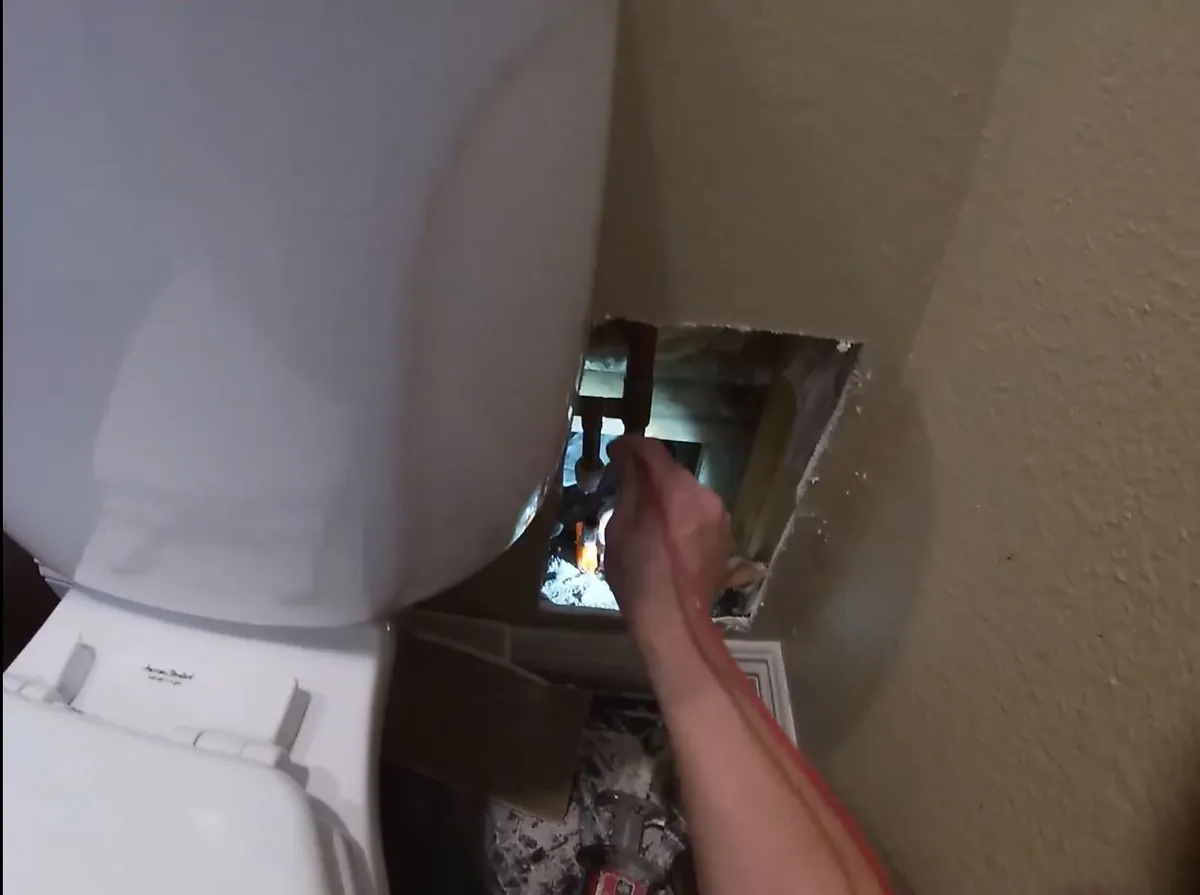
Hillsides, bluffs and settling soil can stress water pipes. Here is how soil movement affects plumbing in Dana Point homes and what signs to watch for.
Coastal hillsides are beautiful places to live, but the ground beneath them is not always still. Slopes creep, fill soil settles and clay soils swell when wet and shrink when dry. Pipes buried in that ground, or cast into a slab on top of it, feel those changes. This guide explains how Dana Point soil movement can affect water lines. If you live on a slope or bluff, understanding soil movement in Dana Point helps you notice early signs before a small leak becomes a large repair.
How moving ground stresses pipes
Rigid pipes do not like to bend. When soil shifts, it can push, pull or twist a buried line. Stress tends to collect at fittings, at points where a pipe enters a wall or slab, and where a line passes from firm soil into fill. Over time this can loosen joints, crack fittings or wear through pipe walls where they rub against concrete or rock.
Common causes of movement include:
- Slow downhill creep on slopes.
- Settlement of fill soil placed during construction.
- Clay soils that expand after rain and contract during dry months.
- Erosion from irrigation, broken drains or heavy storms.
Retaining walls and drainage
Retaining walls hold back soil on many hillside lots, and they depend on drainage to work well. Weep holes and drains behind the wall let water escape so pressure does not build up. When those drains clog, wet soil can push harder against the wall and move more over time. Pipes that run near or through retaining walls, such as irrigation lines or service lines, can be affected by that movement. Owners can look for leaning walls, new cracks, soil washing through weep holes or standing water at the base of a slope. Those signs are worth noting and, when significant, reviewing with a qualified professional. Keeping water away from slopes protects both the ground and the pipes buried in it.
Where problems often show up
The service line from the meter to the house is one of the most exposed pipes, because it crosses the yard where soil changes are greatest. Lines that run under patios, driveways and retaining walls are also at risk. Inside the home, slab-mounted pipes may be stressed if the foundation has settled unevenly.
Warning signs to watch
- A water meter that moves when no water is in use.
- Wet spots or unusually green patches in the yard.
- New cracks in the slab, stucco or drywall near plumbing walls.
- Doors and windows that start to stick.
- Low pressure that develops without another clear cause.
Any of these signs is worth checking. A meter test is a simple first step, and leak detection can help narrow down the location before anything is dug up.
Flexible materials and good routing
Pipe material and routing both matter on moving ground. Flexible materials can tolerate small movements better than rigid ones, and proper sleeves where pipes pass through concrete help protect them from abrasion. Some owners choose to reroute supply lines through walls and ceilings rather than under a slab, which keeps them away from shifting ground. The right approach depends on the home, the soil and the location of past leaks.
Soil movement in Dana Point neighborhoods
Dana Point is built on coastal terraces, bluffs and canyons, with neighborhoods such as Monarch Beach, Capistrano Beach, the Lantern District and the hills above Dana Point Harbor. Many homes were built from the 1960s through the 1980s, and some sit on graded pads with fill soil. Hillside lots often have retaining walls, long service lines and irrigation systems that add water to the slope. The city requires permits for repiping and major plumbing changes, and some neighborhoods have HOA rules for exterior work. Dana Point soil movement questions often come up after a wet winter, when cracks or leaks appear.
Steps that help
Keep irrigation in check so slopes are not overwatered, and fix leaking sprinklers quickly. Watch your water bill and meter for unexplained changes. If you see new cracks near plumbing walls, note the date and take photos. Talking with a licensed plumbing contractor, and with a geotechnical professional if movement seems significant, gives you a clearer view of soil movement in Dana Point and what it means for your pipes.
Quick takeaways
- Shifting, settling or swelling soil can stress buried and slab pipes.
- Service lines across the yard are among the most exposed.
- Watch for meter movement, wet spots and new cracks.
- Controlling irrigation helps protect slopes and pipes.
Related reading
On this site, see vacant home plumbing and salt air plumbing corrosion. Neighbors can visit San Clemente, San Juan Capistrano and Laguna Beach, or browse every city at repipeinc.com.
Concerned about Dana Point soil movement and your pipes?
Request a free quote and talk with a licensed C-36 plumbing contractor about leaks or reroute options for your hillside home. Get my free quote. Our AI system alerts a technician instantly, so you get a fast callback.
Repipe OC, 23821 Hillhurst Drive, Laguna Niguel, CA 92677, (949) 524-2362, CSLB #1087885 C-36.
Repipe OC near you
Not in Dana Point? The same crew serves nearby cities. See every city we serve, or jump to a neighboring city:
 Written by Repipe OC · CSLB #1087885 C-36 · 23821 Hillhurst Drive, Laguna Niguel, CA 92677 · (949) 524-2362