How to Flush a Water Heater in Dana Point: A Safe Homeowner Routine for Hard South County Water
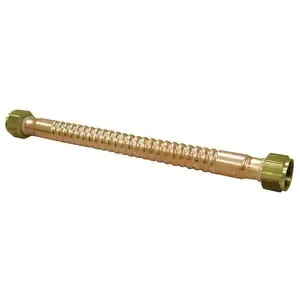
Sediment builds up fast in tank water heaters in Dana Point. A careful, step-by-step flushing routine, the safety points that matter, how often to do it, and what…
Water in South Orange County is on the hard side, and a tank water heater acts like a settling basin for those minerals. Over time a layer of sediment builds up on the bottom of the tank. It insulates the water from the burner, makes the heater work harder, and can cause rumbling and popping. For many Dana Point homes in Capistrano Beach, Monarch Beach and the Lantern District, an annual flush is one of the simplest ways to protect the heater.
Always read your heater's manual first. Manufacturer instructions take priority over any general guide.
Before you start: safety first
- Water inside the tank is hot enough to scald. Many people turn the heater off several hours ahead, or flush first thing in the morning after it has rested overnight.
- For a gas heater, set the control to "vacation" or "pilot" as the manual directs. For an electric heater, turn off the breaker before draining so the elements are not powered with an empty tank.
- Make sure the drain hose runs to a place that can take hot, sediment-filled water, such as a driveway drain or a large bucket, never onto landscaping you care about.
Step-by-step flushing routine
- Shut off the cold water supply to the heater at the valve on the inlet line.
- Attach a garden hose to the drain valve at the bottom of the tank.
- Open a hot water faucet somewhere in the house to let air in so the tank can drain.
- Open the drain valve and let the tank drain. Watch the water at the end of the hose.
- Flush with short bursts. With the drain still open, briefly open the cold supply to stir up sediment, then close it again. Repeat until the water runs clear.
- Close the drain valve, remove the hose, and refill by opening the cold supply. Leave the hot faucet open until it runs without sputtering air.
- Restore power or gas only after the tank is full.
How often to flush
Once a year is a common recommendation in hard-water areas. Homes with water softeners may stretch that interval; homes with heavy hot water use or a heater that already rumbles may need it more often.
What the flush can tell you
- Lots of white or tan grit means sediment was building up. Plan to stay on schedule.
- Rusty water that never clears may point to a failing tank lining or anode rod, or to corroding galvanized nipples and old piping at the heater.
- A drain valve that will not close fully is common on older plastic valves. Do not leave it dripping; it should be replaced.
- Rumbling that continues after a thorough flush may mean hardened scale that flushing alone will not remove.
Coastal air also affects the metal fittings around the heater. If the connectors and nearby piping are crusted with corrosion, take note of that as well.
Related reading
On this site, see water softeners and PEX and salt air and plumbing corrosion. Neighbors can visit San Clemente, San Juan Capistrano and Laguna Beach, or browse every city at repipeinc.com.
Heater or piping showing its age?
If the flush turns up rust or corrosion around the heater connections, we can look at the supply piping with a free quote. Get my free quote. Our AI system alerts a technician instantly, so you get a fast callback.
Repipe OC, 23821 Hillhurst Drive, Laguna Niguel, CA 92677, (949) 524-2362, CSLB #1087885 C-36.
Repipe OC near you
Not in Dana Point? The same crew serves nearby cities. See all Orange County service areas at repipeinc.com, or jump to a neighboring city:
 Written by Repipe OC · CSLB #1087885 C-36 · 23821 Hillhurst Drive, Laguna Niguel, CA 92677 · (949) 524-2362