Copper vs CPVC Pipe in Dana Point Homes: How the Two Materials Age
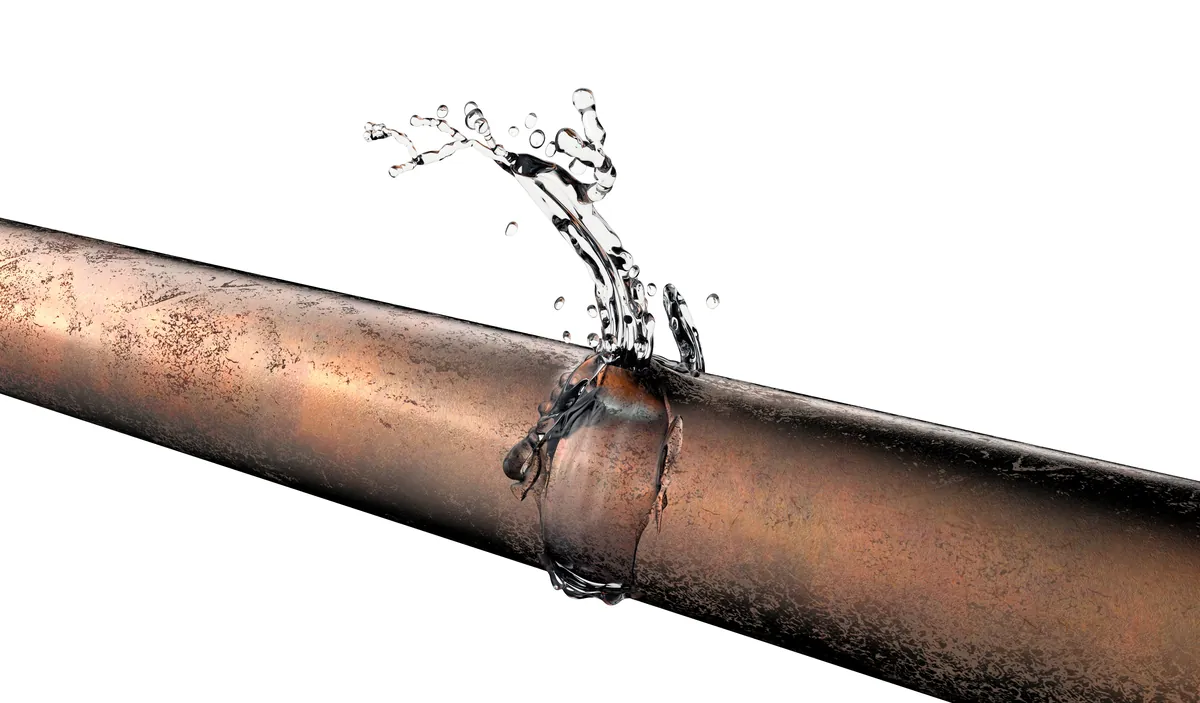
Copper and CPVC were both common supply pipes in Southern California homes. Here is how they differ, how each tends to age, and what Dana Point owners should watch for.
If your home has had a few plumbing repairs, you may find both copper and cream-colored plastic pipe in the same wall. The Dana Point copper vs CPVC comparison comes up often during home sales, inspections and remodels, when owners want to know what they have and how long it may last. Here is a plain look at copper vs CPVC in Dana Point homes and the issues each one tends to develop.
What the two materials are
Copper has been used for household water lines for decades. It is rigid, joined with soldered or mechanical fittings, and comes in different wall thicknesses, usually marked Type K, L or M.
CPVC is chlorinated polyvinyl chloride, a rigid plastic rated for hot and cold water. It is usually cream, tan or light yellow, and is joined with solvent cement. It is different from white PVC, which is not rated for hot water.

How to identify each pipe
Copper is easy to spot where it is exposed: it has an orange-brown or dull brown color, turns green where it corrodes, and is joined with soldered fittings that show a silver ring at the joint. Printed or stamped markings along the pipe often show its type, and color-coded lettering helps: red for Type L, blue for Type M and green for Type K is a common convention on new pipe, though it fades.
CPVC is a rigid plastic, often cream or light tan, with printed lettering that names the material and its ratings. Its joints are glued, usually with a yellow or orange cement, and the fittings are slightly larger than the pipe. A quick check under the kitchen sink, near the water heater and in the garage usually reveals what you have.
If both materials appear, look for the transition fittings between them. These connections are worth watching, because mixing metals and plastics with mismatched fittings is a common source of slow leaks. Photos of each transition, along with notes on where they sit, make a future inspection quicker and more useful.
How copper tends to age
Copper can last a long time, but it is sensitive to water chemistry and flow. Common problems include:
- Pinhole leaks from pitting corrosion, often in clusters over several years.
- Green or blue staining at joints and on fixtures.
- Thinning at elbows on hot water lines where flow is fast.
- Corrosion where copper touches other metals without proper separation.
How CPVC tends to age
CPVC does not corrode the way copper does, but it has its own weak points:
- It can become brittle with age and heat, and older lines may crack when bumped or flexed during repairs.
- Solvent-cement joints depend on how carefully they were made.
- It expands and contracts with temperature and needs room to move.
- It does not handle direct sunlight well and should not be left exposed outdoors.
Copper vs CPVC in Dana Point neighborhoods
Dana Point has a wide range of housing, from older homes in Capistrano Beach and the Lantern District to 1970s and 1980s neighborhoods such as Niguel Shores and newer homes near Monarch Beach. Many homes started with copper supply lines, and some had sections replaced with CPVC during repairs. Coastal air brings salt and moisture, which is hard on exposed metal, so copper in garages, under homes or near the shore may show more outside corrosion than the same pipe inland.
Homes in HOA communities may have rules about when work can be done and how shared areas are protected, so check before planning any wall opening. When owners compare the Dana Point copper vs CPVC sections in one house, the history of where leaks happened is usually more telling than the material alone.
Signs it is time for a closer look
- Repeated pinhole leaks in copper, especially in different rooms.
- Cracked CPVC fittings or a line that snapped during a simple fixture change.
- Discolored water or green crust at several joints.
- A mix of materials with no record of who did what or when.
Thinking about the whole system
One leak in either material is not proof the whole system is failing. But a pattern of leaks, brittle plastic, or corrosion across the house often leads owners to compare continued repairs with a full replacement. Many people looking at copper vs CPVC in Dana Point end up asking a broader question: what material makes sense for the next several decades? Keep a log of every leak, its location and the repair, and share it with a licensed C-36 contractor.
Quick takeaways
- Copper tends to fail with pinholes and corrosion.
- CPVC tends to fail with brittleness and cracked joints.
- Coastal air is hard on exposed copper.
- A leak history matters more than the material alone.
Related reading
On this site, see how long copper pipes last and salt air plumbing corrosion. Neighbors can visit San Clemente, San Juan Capistrano and Laguna Beach, or browse every city at repipeinc.com.
Weighing copper vs CPVC in Dana Point?
Request a free quote and talk with a licensed C-36 plumbing contractor about the pipe in your home. Get my free quote. Our AI system alerts a technician instantly, so you get a fast callback.
Repipe OC, 23821 Hillhurst Drive, Laguna Niguel, CA 92677, (949) 524-2362, CSLB #1087885 C-36.
Repipe OC near you
Not in Dana Point? The same crew serves nearby cities. See every city we serve, or jump to a neighboring city:
 Written by Repipe OC · CSLB #1087885 C-36 · 23821 Hillhurst Drive, Laguna Niguel, CA 92677 · (949) 524-2362